

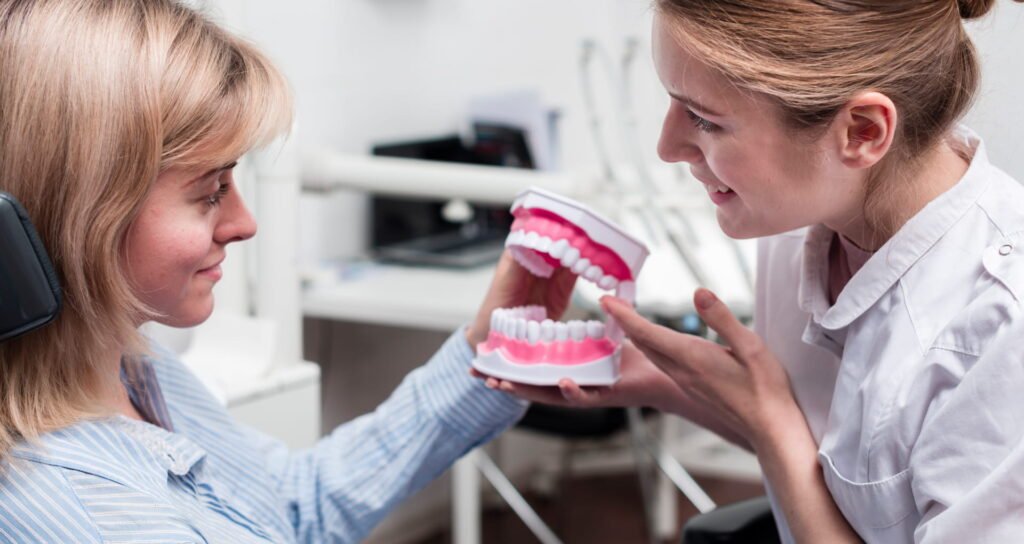
Losing upper teeth affects more than appearance. It impacts speech, chewing, and confidence. Traditional dentures solve part of the problem, but they often feel loose and uncomfortable. This is where upper dentures implants offer a more stable and long-term solution.
This guide explains how implant-supported dentures work, what the procedure involves, and what you should realistically expect before choosing this treatment.
What Are Upper Denture Implants?
Upper denture implants are a modern treatment where dental implants are placed in the upper jaw to support a denture. Instead of resting only on the gums, the denture is anchored to implants, which improves stability and function.
Unlike traditional dentures, this approach reduces movement while speaking or eating. It also helps maintain bone structure in the jaw, which is often lost over time with regular dentures.
Why Traditional Upper Dentures Fall Short
Most patients assume dentures are a complete solution, but that is not accurate. Upper dentures rely heavily on suction and the roof of the mouth for support. This creates several limitations:
- Reduced taste sensation due to palate coverage
- Slipping or shifting during eating
- Pressure on gums causing discomfort
- Bone loss over time
Because of these issues, many patients eventually look for dentures implants solutions that provide better stability and comfort.
Benefits of Implant-Supported Upper Dentures
Switching to implant supported dentures changes both function and comfort. The improvement is not minor, it is structural.
Key benefits include:
- Strong and stable bite force
- No slipping or movement
- Improved speech clarity
- Better facial support
- Reduced bone loss
- More natural feel
Some designs also allow upper dentures without palate, which removes the bulky roof coverage and improves taste and comfort significantly.
Types of Upper Denture Implant
Not all implant supported dentures are the same. The treatment varies based on bone condition, budget, and desired outcome.
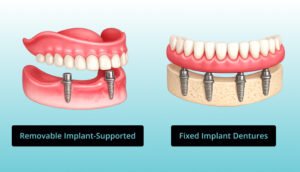
1. Removable Implant-Supported Dentures
These dentures snap onto implants but can still be removed for cleaning. They are more stable than traditional dentures but less permanent.
2. Fixed Implant Dentures
These are permanently attached and only removed by a dentist. They feel closer to natural teeth and offer maximum stability.
3. Hybrid Solutions
A combination of fixed and removable systems, depending on patient needs. Each upper denture implant supported option has trade offs. Fixed solutions offer the best function, but they require more implants and higher investment.
Upper Denture Implant Procedure
The process is structured but not instant. It requires planning and healing time.
Step 1: Consultation and Planning
The dentist evaluates bone density using scans and determines if implants are suitable. In some cases, bone grafting may be needed.
Step 2: Implant Placement
Titanium implants are surgically placed into the upper jaw. These act as artificial tooth roots.
Step 3: Healing Period
The implants integrate with the bone over several months. This stage is critical for long-term success.
Step 4: Denture Placement
Once healing is complete, the denture is attached to the implants. Adjustments are made to ensure proper fit and bite.
What to Expect During Recovery
Recovery is not extreme, but it is not negligible either. Expect mild swelling, discomfort, and temporary diet changes after implant placement.
Most patients return to normal activities within a few days, but full healing takes a few months. The final result is worth the wait because stability and comfort improve significantly.
Upper Denture Implants Estimated Cost
Cost is one of the biggest decision factors, and this is where many patients make poor decisions by focusing only on price.
In Vaughan, the upper denture implants cost can start from $1,000–$4,000 for basic or entry level implant supported denture solutions. However, more complete and stable treatments typically range from $7,000 to $12,000+ for removable implant dentures and $20,000 to $35,000+ for full fixed implant restorations.
The cost depends on:
- Number of implants required
- Type of denture (removable vs fixed)
- Need for bone grafting
- Clinic expertise and technology
Note: These are estimated costs and may vary based on individual treatment needs.
Comparisons of Upper denture Replacement
Patients often compare replacement upper dentures with implant-supported solutions.
Traditional dentures:
- Lower upfront cost
- Less invasive
- Less stable
Implant-supported dentures:
- Higher initial cost
- Surgical procedure required
- Long-term stability and function
The difference becomes clear over time. Implant-supported dentures provide better quality of life, not just cosmetic improvement.
Long-Term Maintenance
Implants do not eliminate maintenance. You still need proper care.
- Daily cleaning of dentures and implants
- Regular dental checkups
- Avoiding excessive force or grinding
- Monitoring gum health
Neglecting maintenance can lead to complications even with implants.
Common Mistakes Patients Make
This is where most people go wrong:
- Choosing based on price alone
- Ignoring bone health evaluation
- Expecting instant results
- Skipping follow-up care
Upper dentures implants are a long-term investment. Poor decisions early lead to expensive corrections later.
What can not you eat with implant dentures?
With implant dentures, avoid hard, sticky, crunchy, chewy, very hot, spicy, or acidic foods, especially during healing. Foods like nuts, popcorn, hard candy, caramel, tough meats, seeds, and ice can irritate gums or stress implants. Choose soft foods such as yogurt, eggs, mashed potatoes, pasta, soups, and cooked vegetables until your dentist advises otherwise safely.