

Types of Sports Mouthguards
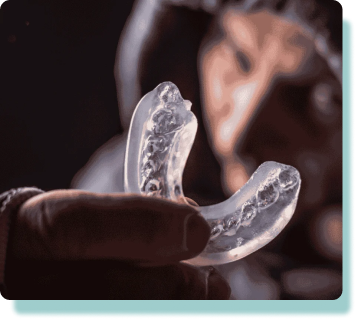
Custom Sports Mouthguard
A custom mouthguard is made from an impression or digital scan of the athlete’s teeth.
It can be designed according to:
- Tooth position
- Bite
- Age
- Sport
- Existing dental restorations
- Orthodontic treatment
- Required appliance thickness
Custom mouthguards usually provide closer adaptation and greater comfort than standard stock appliances, but they require dental appointments and generally cost more.
Boil-and-Bite Mouthguard
A boil-and-bite mouthguard is softened in hot water and shaped around the teeth according to the manufacturer’s directions.
It may fit better than a stock mouthguard but can become thin, loose or uneven when it is not adapted properly.
Patients with braces should speak with their dentist or orthodontic provider before moulding one.
Stock Mouthguard
A stock mouthguard is pre-formed and ready to wear.
Stock guards are generally inexpensive, but they may:
- Fit loosely
- Feel bulky
- Move during activity
- Make speaking difficult
- Require the athlete to hold them in place
The best appliance is one that fits securely and is worn consistently during the activity.
How Is a Custom Sports Mouthguard Made?
1. Dental Assessment
The dental team examines:
- Teeth and gums
- Bite
- Existing fillings or crowns
- Missing or erupting teeth
- Braces and orthodontic appliances
- Previous dental injuries
- The sport and level of contact
Active decay, loose dental work or other oral-health problems may need treatment first.
2. Impression or Digital Scan
A physical impression or digital scan records the shape and position of the teeth.
3. Mouthguard Fabrication
The mouthguard is produced using the selected material and thickness.
The design may vary according to:
- Athlete’s age
- Type of sport
- Expected impact risk
- Tooth development
- Orthodontic treatment
Fit and Bite Check
At the fitting appointment, the dental team checks:
- Retention
- Tooth coverage
- Comfort
- Bite
- Gum clearance
- Speaking and breathing
- Sharp or irritating edges
Adjustments may be completed before regular use.
Sports Mouthguards for Braces
A sports mouthguard is especially important for patients wearing fixed braces because a facial impact can damage brackets and wires or press them into the lips and cheeks.
The appliance must allow enough space for:
- Brackets and wires
- Planned tooth movement
- Changes during orthodontic treatment
- Growing and erupting teeth
A mouthguard may require adjustment or replacement as orthodontic treatment progresses.
Patients should not wear a removable orthodontic retainer during contact sports unless specifically advised by their dental or orthodontic provider.
Related orthodontic services include:
- Metal Braces
- Clear Braces
- Children and Orthodontics
Sports Mouthguard Versus Night Guard
Sports mouthguards and night guards serve different purposes.
Sports Mouthguard
A sports mouthguard is designed to absorb and distribute forces from impacts during physical activity.
Night Guard
A night guard is intended mainly to protect teeth from grinding or clenching during sleep.
A night guard should not normally be used for contact sports, and a sports mouthguard should not automatically be used for nighttime grinding.
Can a Mouthguard Prevent Concussions?
A sports mouthguard should be promoted primarily for protection of the teeth and oral tissues.
Current evidence does not justify promising that an ordinary mouthguard will prevent concussions. Athletes should continue using all required protective equipment and follow their sport’s safety and concussion protocols.
How to Care for a Sports Mouthguard
After every use:
- Rinse the mouthguard with cool water.
- Clean it with mild soap or the recommended product.
- Rinse it thoroughly.
- Allow it to dry before storage.
- Store it in a firm, ventilated case.
- Keep it away from pets.
- Bring it to dental appointments for inspection.
Avoid:
- Boiling water
- Direct sunlight
- Hot vehicles
- Harsh household chemicals
- Bending or trimming the appliance
- Repairing it with household glue
Heat can distort the material and change its fit.
When Should a Sports Mouthguard Be Replaced?
Replacement may be needed when the mouthguard:
- Becomes loose
- Feels too tight
- Has holes, tears or cracks
- Develops sharp edges
- No longer covers the teeth properly
- Interferes with the bite
- Has been distorted by heat
- No longer fits after dental treatment
- Cannot be cleaned adequately
Children and teenagers may require more frequent replacement because their teeth and jaws continue to change. Athletes undergoing orthodontic treatment may also need a new appliance as teeth move.
What to Do After a Sports-Related Dental Injury
Even when a mouthguard was worn, contact a dentist promptly if an injury causes:
- A broken or cracked tooth
- A loose or displaced tooth
- A knocked-out permanent tooth
- Persistent bleeding
- Severe dental pain
- Jaw pain or difficulty opening
- A damaged orthodontic appliance
- Cuts that may require treatment
Bring the mouthguard to the appointment when possible so its fit and condition can be reviewed.
Sports Mouthguard Cost in Vaughan
Cost depends on:
- Athlete’s age
- Mouthguard material
- Appliance thickness
- Sport and impact risk
- Braces or orthodontic treatment
- Impression or digital scan
- Laboratory fees
- Fitting and adjustment appointments
- Private insurance coverage
My City Dental can provide an estimate after examining the athlete’s teeth and confirming the recommended design.
Do not publish a fixed price until the clinic confirms its current fees and what is included.
Does Dental Insurance Cover Sports Mouthguards?
Some private dental plans provide partial coverage for professionally made sports mouthguards.
Coverage may depend on:
- Appliance procedure code
- Patient age
- Annual maximum
- Deductible
- Co-payment
- Replacement-frequency limits
- Laboratory coverage
- Predetermination requirements
Direct insurance billing does not guarantee full reimbursement. Patients are responsible for fees not paid by their plan.
Does CDCP Cover Sports Mouthguards?
No. The current Canadian Dental Care Plan lists mouthguards as excluded services.
My City Dental accepts CDCP patients for eligible dental care, but CDCP acceptance does not make a sports mouthguard covered.
Visit the CDCP information page for broader program details.
Frequently Asked Questions About Sports Mouthguards
Are mouthguards only needed for contact sports?
No. Dental injuries can also occur during activities involving falls, speed or fast-moving equipment.
Should a mouthguard cover the upper or lower teeth?
Most sports mouthguards cover the upper teeth. A lower appliance may also be recommended in selected situations, particularly with lower braces.
Can children wear custom mouthguards?
Yes. Children who participate in activities with dental-injury risk may benefit, but the fit must be checked as teeth erupt and the mouth grows.
Can I wear a mouthguard with braces?
Yes, but it must provide enough space for brackets and planned tooth movement. The appliance may need replacement during orthodontic treatment.
Can I use my night guard for sports?
No. Night guards and sports mouthguards are designed for different forces and purposes.
How tight should a mouthguard feel?
It should remain securely in place without continuous biting or clenching. It should not cause pain, strong pressure or a lasting bite change.
Can I chew my mouthguard?
No. Chewing can damage and thin the material, reducing its fit and protective value.
How often should a child’s mouthguard be checked?
It should be checked regularly and whenever teeth erupt, orthodontic treatment changes or the appliance feels loose or tight.
Does CDCP cover custom sports mouthguards?
No. Mouthguards are specifically excluded from current CDCP coverage.