



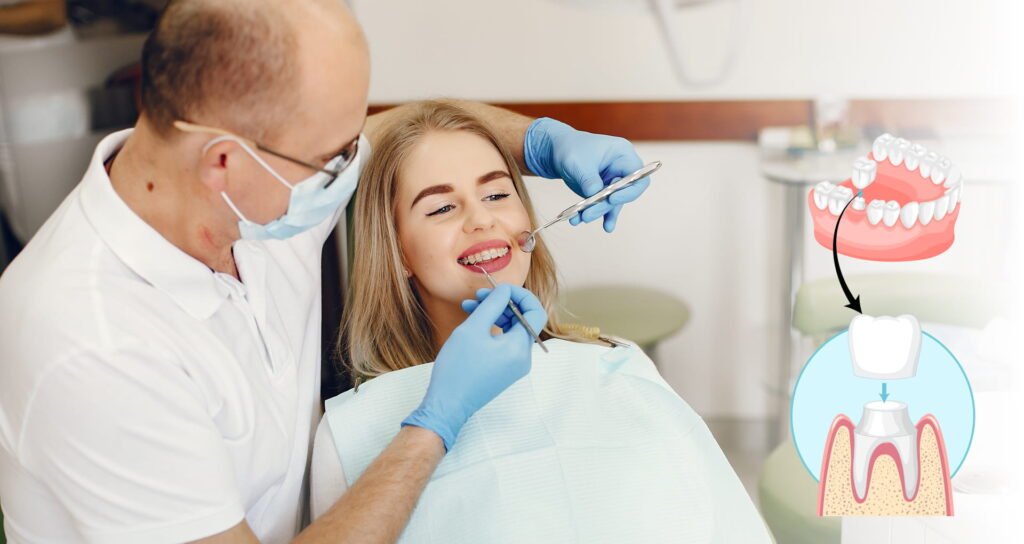
A damaged or worn crown can affect your oral health. Dental crown replacement helps you act early, avoid complications, and restore your smile with the right treatment. This guide explains when you need a replacement, how the process works, and what to expect from start to finish.
When Does a Dental Crown Need Replacement?
A dental crown may need replacement when it becomes loose, cracked, worn down, or no longer fits the tooth properly. In some cases, decay can develop around the edge of the crown, causing sensitivity, discomfort, or damage to the natural tooth underneath.
Replacing a dental crown helps protect the tooth, restore normal chewing, and prevent the problem from getting worse. A dentist will first check the crown, the tooth structure, and the surrounding gums before deciding whether a new crown is needed.

Signs You Need Dental Crown Replacement
You should not wait until severe pain appears. Most crown issues start with mild symptoms that are easy to ignore.
Common signs include:
- Pain when biting or chewing
- Sensitivity to hot or cold
- Visible cracks or chips in the crown
- Gum recession around the crown
- Loose or shifting crown
- Dark line near the gumline
Procedure of Dental Crown
The dental crown procedure is simple but requires precision. It usually involves two visits, although same-day options are available in some clinics.
Step 1: Examination and Diagnosis
The dentist checks the crown and underlying tooth using X-rays and visual inspection. If decay or damage is found, it must be treated before placing a new crown.
Step 2: Removing the Old Crown
The existing crown is carefully removed without damaging the tooth structure underneath.
Step 3: Tooth Preparation
The tooth is reshaped if needed to ensure a proper fit for the new crown.
Step 4: Impression or Digital Scan
A mold or scan is taken to create a custom-fit crown that matches your bite and natural teeth.
Step 5: Temporary Crown Placement
A temporary crown is placed to protect the tooth while the permanent one is being made.
Step 6: Final Crown Placement
Once ready, the new crown is cemented securely, restoring function and appearance.
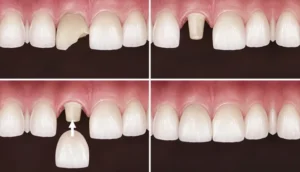
Timeline Dental Crown Replacement
The dental crown replacement time depends on the method used.
- Traditional method: 1–2 weeks between visits
- Same-day crowns: Completed in a single appointment
Complex cases may take longer if additional treatment is required. Your dentist will give a clear timeline based on your condition.
Which Crown Material Is Best for Replacement?
When replacing an old dental crown, the dentist may recommend a material based on the tooth’s position, bite force, appearance needs, and the condition of the tooth underneath. Front teeth often need a crown that blends naturally with the smile, while back teeth usually need stronger material for chewing.
Common replacement crown materials include porcelain, ceramic, zirconia, metal, and porcelain-fused-to-metal crowns. Porcelain and ceramic crowns are often chosen for a natural look. Zirconia crowns are known for strength and durability. Metal crowns may be used for back teeth in some cases, while porcelain fused to metal crowns combine strength with a more tooth-like appearance.
Learn more about our dental crown Vaughan treatment ways to restore and protect damaged teeth.
Dental Crown vs Veneer
Many patients confuse crowns with veneers, but they serve different purposes.
- A crown covers the entire tooth and is used for damaged or weakened teeth
- A veneer covers only the front surface and is mainly cosmetic
Dental crown replacement is necessary when the tooth structure needs full protection, while veneers are used for minor aesthetic improvements.
Dental Crown Before and After
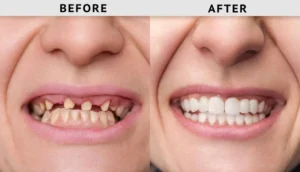
The difference before and after dental crown replacement can be significant. Before replacement, you may experience discomfort, poor bite alignment, or visible damage. After treatment, the tooth looks natural, functions properly, and feels comfortable again.
A properly fitted crown restores both strength and appearance, making it difficult to distinguish from natural teeth.
How Long Does a Dental Crown Last?
A crown typically lasts between 10 to 15 years, depending on care and material. Some high-quality crowns can last even longer with proper maintenance.
Factors that affect lifespan include:
- Oral hygiene habits
- Teeth grinding or clenching
- Diet and chewing habits
- Quality of the crown material
Regular dental checkups help extend the life of your crown and detect early issues.
Cost of Dental Crown Replacement
The cost varies based on several factors:
- Type of material used
- Complexity of the case
- Clinic location and technology
While cost matters, choosing the cheapest option is often a mistake. Poor quality crowns can fail early, leading to repeated dental crown replacement and higher long-term costs.
Aftercare Tips for New Crowns
Proper care after dental crown replacement is critical.
- Brush and floss daily
- Avoid very hard or sticky foods
- Wear a night guard if you grind your teeth
- Visit your dentist regularly
Good maintenance prevents early failure and protects your investment.
If you notice any of these, its time to dentist consultation. Early dental crown replacement prevents more complex procedures later.